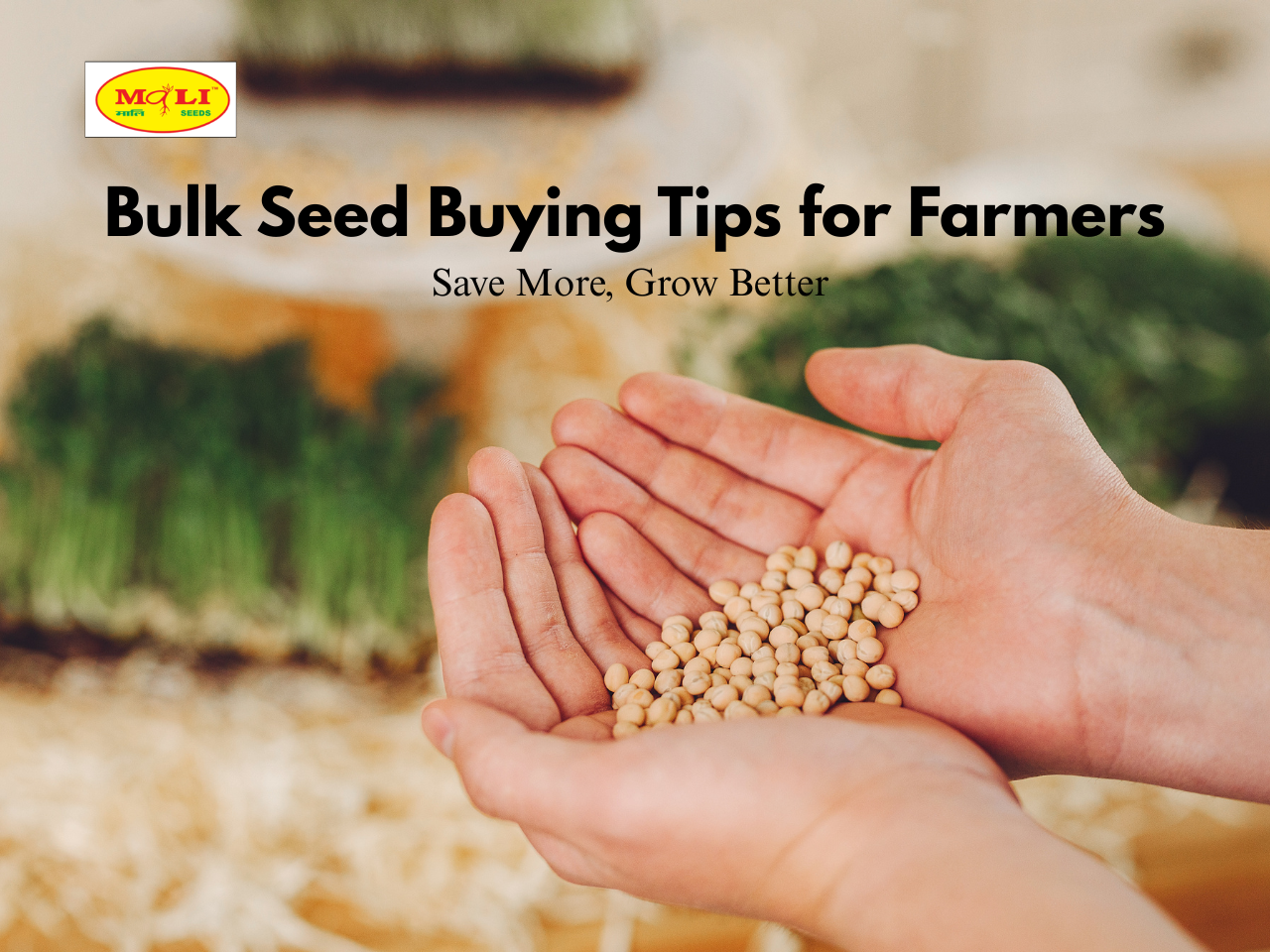
Bulk Seed Buying Tips for Farmers: Save More, Grow Better
Farming is not just about growing crops—it is about making smart decisions before the season even begins. One of the most important decisions is buying seeds in bulk. Farmers who plan seed purchases wisely can save money, ensure seed quality, and improve crop productivity.
With rising farming costs and changing climate conditions, bulk seed buying has become a smart strategy for modern farmers. But buying in bulk requires planning, quality checks, and the right supplier. This guide will help you understand how to buy seeds in bulk safely and profitably.
Why Bulk Seed Buying is Smart for Farmers
Bulk seed buying is not just about saving money. It helps farmers maintain consistency in crop quality and ensures availability of seeds during peak seasons.
Benefits of bulk seed buying include:
Trending agriculture keywords like high-yield crop seeds, certified seeds India, hybrid seeds India, climate-resilient seeds, quality seeds for farming are important when buying seeds in bulk because quality matters more than quantity.
Trusted seed suppliers like Mali Seeds provide tested, certified, and farmer-friendly seed varieties suitable for bulk purchasing.
Step 1: Plan Before You Buy
Before buying seeds in bulk, calculate your actual requirement. Buying too much seed wastes money and storage space.
Consider these points:
-
Total land area
-
Crop variety
-
Germination percentage
-
Crop spacing
-
Backup quantity
Planning helps farmers avoid excess seed purchase and improves farm management.
Trending keywords: seed buying checklist, smart farming planning, precision farming seeds, profitable farming tips.
Step 2: Always Choose Certified Seeds
Never compromise on seed quality when buying in bulk. Certified seeds ensure better germination, disease resistance, and crop uniformity.
Check for:
-
Certification label
-
Germination rate
-
Expiry date
-
Batch number
-
Seed treatment details
Cheap seeds often cause low yield and crop loss. Investing in high-quality seeds India increases productivity and long-term profit.
Trending keywords: certified seeds India, pest-resistant seeds, drought-resistant seeds, sustainable agriculture seeds.
Step 3: Compare Prices from Trusted Suppliers
Bulk buying allows farmers to negotiate prices. Compare multiple suppliers, but don’t choose only based on low cost.
Look for:
-
Brand reputation
-
Farmer reviews
-
Seed testing process
-
After-sales support
Buying from trusted brands like Mali Seeds ensures reliable seed quality and consistent crop performance.
Trending keywords: best seeds for farming, reliable seed suppliers, hybrid seeds India, organic seeds India.
Step 4: Check Seed Storage Conditions
After bulk purchase, proper storage is essential. Poor storage can damage seeds and reduce germination.
Follow these storage tips:
Proper storage keeps seeds healthy until planting season.
Trending keywords: seed storage tips, improving germination rate, sustainable farming practices.
Step 5: Buy Seeds According to Climate
Every region has different weather patterns. Seeds that grow well in one area may fail in another.
Choose seeds based on:
-
Rainfall pattern
-
Soil type
-
Temperature range
-
Crop season
Climate-resilient seeds and drought-resistant seeds are trending because farmers need crops that survive extreme weather.
Trending keywords: climate-resilient seeds, smart farming India, modern agriculture technology, sustainable crop production.
Step 6: Avoid Fake Seeds
Fake seeds are a big problem in agriculture markets. They cause crop failure and financial loss.
To avoid fake seeds:
Buying from trusted seed companies like Mali Seeds protects farmers from fake seeds and ensures quality harvest.
Final Thoughts
Bulk seed buying is a smart move when done correctly. It saves money, improves crop consistency, and ensures seed availability during peak seasons.
But remember—quality always comes before quantity. Choose certified seeds, trusted suppliers, and climate-suitable varieties to achieve better yield and higher profit.
Because in farming, every successful harvest begins with the right seed choice.
FAQs
1. Is bulk seed buying cheaper for farmers?
Yes, buying seeds in bulk reduces cost per unit and improves profit. Farmers also get consistent crop quality when using high-yield crop seeds from trusted suppliers like Mali Seeds.
2. How can farmers check seed quality before bulk buying?
Check certification label, germination percentage, expiry date, and supplier reputation. Always choose certified seeds India for better crop yield.
3. What are the best seeds to buy in bulk?
High-yield crop seeds, hybrid seeds India, pest-resistant seeds, and climate-resilient seeds are best for bulk buying because they improve productivity.
4. How should seeds be stored after bulk purchase?
Store seeds in cool, dry places in airtight containers. Proper seed storage maintains germination and prevents damage.
5. Can farmers buy seeds together to save money?
Yes, farmer cooperatives or group buying helps reduce costs and ensures access to quality seeds. It is a growing trend in modern agriculture.